Taxes and accounting for a landscaping business (US + CA)
Bookkeeping basics, common deductions, sales tax / GST-HST, quarterly estimates, and when to incorporate; US and Canada.
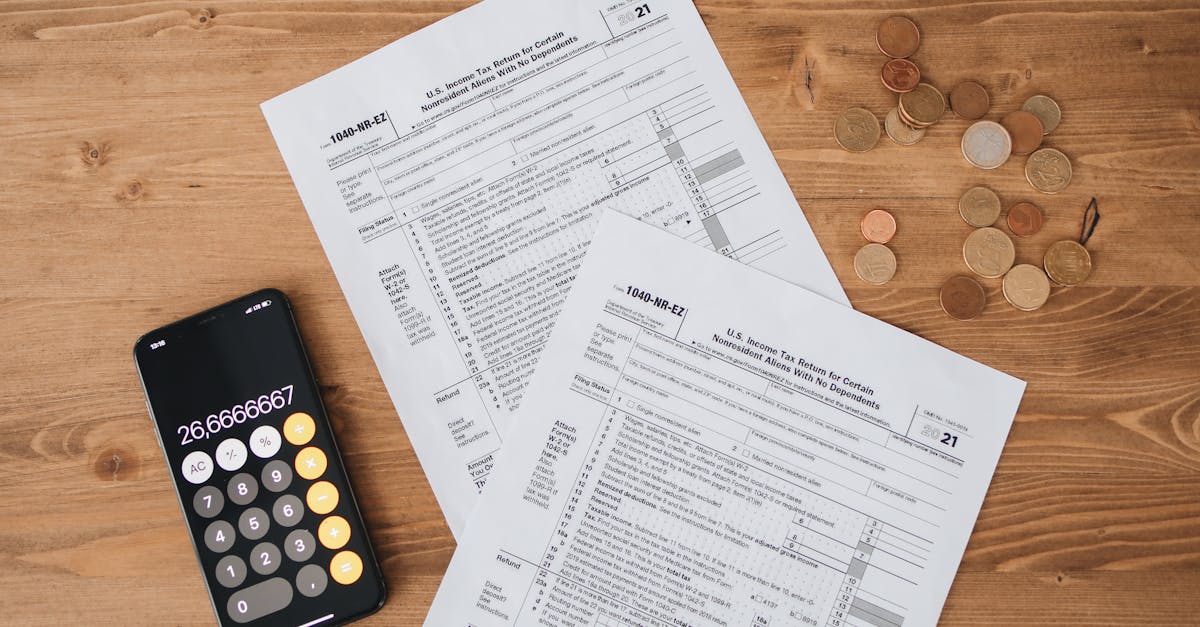 Polina Tankilevitch · Pexels
Landscaping business owners in the US and Canada need solid systems for tracking money in and out to meet filing rules, claim eligible deductions, and avoid surprises at tax time. Good records also support decisions about growth and risk management.
Bookkeeping Basics
Separate business bank accounts and credit cards from personal ones to simplify tracking and reviews. Record every job payment as income on the day it arrives and match it to invoices. Log expenses daily or weekly with receipts, noting the date, amount, vendor, and purpose, such as fuel for mowers or payments to helpers. Use simple software like QuickBooks or Wave to categorize items automatically and generate reports. Track vehicle mileage with a logbook or app because mixed use requires allocation between business and personal driving. In Canada, retain records for at least six years to support GST/HST returns. In the US, keep records for at least three years after filing, or longer if income is understated. Review monthly totals for cash flow management so owners can adjust pricing or spending before issues arise.
Common Deductions
Landscaping operations generate many ordinary expenses that reduce taxable income. Deduct the cost of materials like mulch, plants, and fertilizer when purchased for jobs. Claim fuel, oil, and repairs for trucks and equipment used on sites. Write off wages paid to seasonal workers along with related payroll taxes and insurance. Include insurance premiums for liability, workers’ compensation, and vehicle coverage. Deduct advertising, website hosting, and phone service tied to the business. Allocate a portion of home office costs if a dedicated space is used for scheduling and billing, supported by square footage measurements. Depreciation or immediate expensing applies to larger tools and machinery in both countries, though timing rules differ slightly by jurisdiction. Owners should keep receipts and notes on business purpose to withstand audits.
Sales Tax and GST/HST
Rules for collecting and remitting tax on services vary. In the US, many states treat landscaping labor as taxable while others exempt it or tax only materials. Check the state revenue department site for the specific location because rates range from zero in some states to over eight percent elsewhere, and cities or counties may add their own. Register for a permit if required and collect at the point of sale, then file returns monthly or quarterly. In Canada, GST or HST applies to most landscaping services as taxable supplies. The rate is five percent GST in some provinces and rises to thirteen or fifteen percent HST in others. Register once revenue exceeds thirty thousand dollars in a single calendar year. File returns annually, quarterly, or monthly based on sales volume and claim input tax credits for GST/HST paid on business purchases. Keep separate tracking for exempt versus taxable work in both countries.
Quarterly Estimated Taxes
Owners who expect to owe tax usually make advance payments to avoid penalties. In the US, calculate expected annual tax after deductions and credits, then pay one-quarter of that amount by April 15, June 15, September 15, and January 15 using Form 1040-ES. Safe harbor rules allow basing payments on the prior year tax if income stays similar. In Canada, corporations and some sole proprietors pay installments if the prior year tax exceeded a set threshold, typically in four payments due March 31, June 30, September 30, and December 31. Use the CRA online calculator or notice of assessment amounts to determine installments. Both systems allow adjustments mid-year if actual results change. Keep records of each payment with confirmation numbers.
When to Incorporate
Sole proprietorships work well for small operations with low risk, but owners often consider incorporation once annual revenue passes roughly one hundred thousand dollars or when hiring multiple employees increases liability exposure. In the US, forming an LLC provides liability protection and allows pass-through taxation, while an S-Corporation election can reduce self-employment taxes on some profits. In Canada, a corporation files a T2 return and pays tax at the small business rate on the first five hundred thousand dollars of active income, with remaining profits taxed higher. Incorporation also allows income splitting in limited ways and easier sale of the business later. Weigh setup costs, annual filings, and professional fees against the protection and tax planning benefits before deciding. Consult an accountant familiar with local rules for the timing that fits the operation.
General information for landscaping business owners, not legal or financial advice.
This guide is general information for landscaping business owners, not legal or financial advice. Some outbound links may be affiliate or sponsored links, which are disclosed and never affect our recommendations.
Related guides
Get guides like this weekly
Join The Landscaping Bench Weekly. One useful email a week, free.
Subscribe free